
Most drivers know the oil change schedule by heart, but the differential is one of those components that often gets gets forgotten until something starts making noise. It’s a shame, too, because differential fluid plays a huge role in how your vehicle transfers power to the wheels, and letting it go too long between services can lead to expensive repairs down the road. In this article, we’ll cover what the differential does, why the fluid matters, and how often you should have it changed.
What Does the Differential Do?
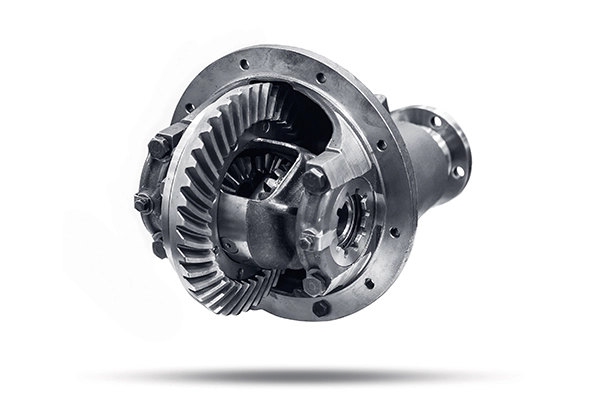
The differential is a gear assembly located on your rear axle (and front axle too, if you drive an all-wheel or four-wheel drive vehicle) that allows your wheels to rotate at different speeds. This is essential when you’re turning, since the outer wheel needs to cover more distance than the inner wheel during a turn. Without a properly functioning differential, your tires would scrub and hop every time you turned a corner.
Inside the differential housing, a set of gears works under constant pressure and friction. That’s where the fluid comes in.
Why Differential Fluid Matters
Differential fluid, often called gear oil, lubricates those gears and keeps them from grinding against each other under load. It also helps dissipate the heat generated by the gears as they work, and in many vehicles, it carries additives designed specifically to handle the extreme pressure inside the differential housing.
Over time, this fluid breaks down. Heat cycles, moisture, and metal particles from normal gear wear all work against the fluid’s ability to protect those components. Once the fluid loses its lubricating properties, the gears inside start wearing against each other with much less protection, and that’s when real damage begins.
Signs Your Differential Fluid Needs Attention
A few warning signs tend to show up before a differential fails completely:
- A whining or humming noise that changes with vehicle speed
- Grinding or clunking sounds, especially when turning
- Vibration coming from underneath the vehicle
- A burnt smell near the rear of the car after driving
- Fluid leaking near the axle housing
Any of these symptoms are worth having checked out promptly. Differential repairs, especially full rebuilds, tend to be far more costly than a simple fluid service.
How Often Should Differential Fluid Be Replaced?
Manufacturer recommendations vary depending on the vehicle, but a general guideline is every 30,000 to 60,000 miles for most passenger cars and light trucks. If you tow frequently, drive off-road, or put your vehicle through heavy-duty use, that interval should be shortened considerably, since those conditions generate more heat and stress on the gears.
Your owner’s manual is the best starting point for a baseline interval, but real-world driving habits often call for more frequent service than the book suggests. Trucks and SUVs used for towing in particular benefit from checking the differential fluid more often than the standard schedule recommends.
What Happens If You Skip It?
Differential fluid doesn’t announce its breakdown the way engine oil does with a dashboard light. It degrades quietly, and by the time you’re hearing noise from the rear axle, the gears have likely already sustained some wear. Left unaddressed, that wear compounds, and a fluid service that would have cost a fraction of a repair turns into a full differential replacement.
Given how much stress this component handles every time you accelerate, turn, or tow a trailer, keeping fresh fluid in the housing is one of the more cost-effective ways to protect your drivetrain long term.
Differential Fluid Service in Arvada, Colorado
Differential maintenance is easy to overlook, but it plays a major part in keeping your vehicle’s drivetrain healthy and reliable for years of driving. The technicians at Arvada Square Auto in Arvada, Colorado, can inspect your differential fluid, check for signs of wear, and get you back on the road with confidence. Don’t wait for the noise to start; call us or schedule online with our friendly team today.