
Understanding the Warning Signs Before It Becomes a Breakdown
Imagine I-70 during rush hour, stop-and-go traffic, snow starting to fall. Out of nowhere, smoke begins billowing from under the hood, your temperature gauge starts climbing, —ding!— your check engine light comes on, and suddenly you’re thinking… why is my car overheating? In moments like this, your vehicle is telling you something is wrong, and ignoring it can turn a small issue into a major repair.
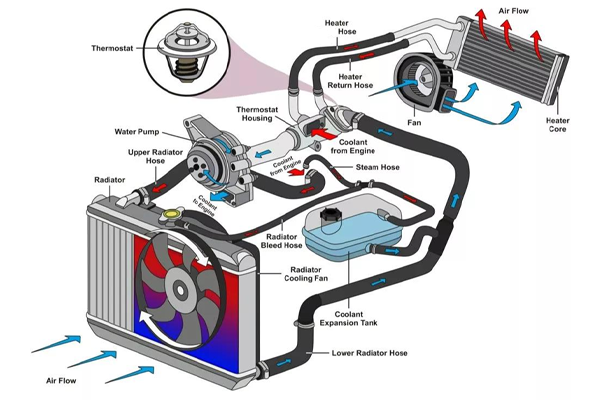
Core Components of the Cooling System
Every part of this system matters. If one fails, the system struggles.
Radiator (Heat Exchanger)
Removes heat from coolant using airflow.
Water Pump (The Heart)
Circulates coolant through the engine and radiator.
Thermostat (Temperature Regulator)
Controls when coolant flows based on engine temperature.
Cooling Fan
Critical during stop-and-go traffic when airflow is low.
Radiator Cap (Pressure Cap)
Maintains pressure to prevent coolant from boiling.
Coolant Reservoir
Handles expansion and return of coolant.
Hoses
Move coolant between components.
Heater Core
Provides cabin heat and helps dissipate engine heat.
How the Cooling System Works
- Cold Start: Coolant stays in the engine to warm it quickly
- Operating Temperature: Thermostat opens, allowing coolant to flow to the radiator
- Cooling Cycle: Heat is released, and coolant recirculates
- Pressure Control: Excess coolant moves to the reservoir and returns as needed
This cycle runs constantly while your engine is operating.
Many overheating issues start with small warning signs that drivers overlook—weak heat from the vents, temperature fluctuations, unusual smells, or coolant leaks. Paying attention to these early symptoms can help prevent major engine damage. For additional information on warning signs related to your vehicle’s heating and cooling system, check out this article!
Common Causes of Overheating
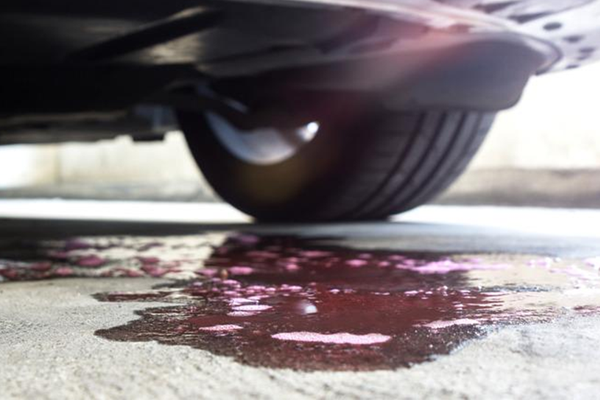
Low Coolant
The most common cause. Without enough coolant, heat cannot be carried away.
Cooling System Leaks
Hoses, radiators, or seals can leak—reducing system pressure and coolant levels.
Stuck Thermostat
If it doesn’t open, coolant can’t circulate properly.
Water Pump Failure
Stops coolant movement entirely.
Cooling Fan Issues
Especially noticeable in traffic, no airflow means rising temperatures.
Broken Belt or Hose
Can instantly disrupt circulation.
Head Gasket Failure (Severe)
Allows coolant and engine gases to mix, causing constant overheating.
What To Do If Your Car Overheats
If your temperature gauge rises or you see steam:
1. Turn off A/C and turn on heat
Pulls heat away from the engine.
2. Pull over safely
Do not continue driving.
3. Shut the engine off and wait
Allow 15–30 minutes for the engine to cool.
4. Do NOT open the radiator cap while hot
This can cause serious burns.
5. Get it inspected
Even if it seems to return to normal, Why You Should Never Ignore Overheating
Overheating can quickly lead to:
- Warped cylinder heads
- Blown head gaskets
- Complete engine failure
A small coolant issue can turn into a multi-thousand-dollar repair very quickly.

Preventing Overheating
This is where proper inspections and maintenance matter.
- Check coolant levels regularly
- Perform routine cooling system service to maintain fluid condition and protective additives
- Inspect hoses and belts for wear or leaks
- Perform cooling system pressure tests
- Stay ahead of thermostat and water pump failures
Over time, coolant breaks down and loses its ability to protect against heat and corrosion. Professional-grade cleaners and conditioners used during a cooling system service help remove buildup and restore system efficiency.
Small issues caught early prevent major breakdowns.
Many overheating issues can actually be prevented with routine maintenance. Regular fluid checks and inspections help catch small problems—like low coolant or minor leaks—before they turn into major repairs. Staying consistent with maintenance is one of the most effective ways to protect your vehicle and avoid unexpected breakdowns. Learn more here.
If your car is running hot, don’t wait.
At Arvada Square Auto, we perform full digital inspections with photos and clear explanations, so you know exactly what your vehicle needs.
If you’ve noticed rising temperatures, coolant leaks, or anything unusual:
Call us at 303-423-5119 or visit 9545 Ralston Rd, Arvada, CO 80002
We’re here to help keep you safely on the road