
Coolant, sometimes referred to as antifreeze, is one of the essential fluids our vehicles require to operate, yet it often goes overlooked when working properly. You may not notice your cooling system is experiencing issues until you see the engine’s thermometer reading dangerously high temperatures. A lack of cooling system performance can come down to several issues; however, coolant leaks are by far the most common cause of an overheating vehicle.
In this article, we’ll cover what coolant accomplishes, how these leaks can develop in your vehicle, and how this problem can harm your vehicle.
What Does Coolant Do?
Coolant is essential for keeping your vehicle’s engine at a safe operating temperature. As your engine runs, it generates friction and heat. If this heat is not removed, critical internal components can warp, crack, or fail.
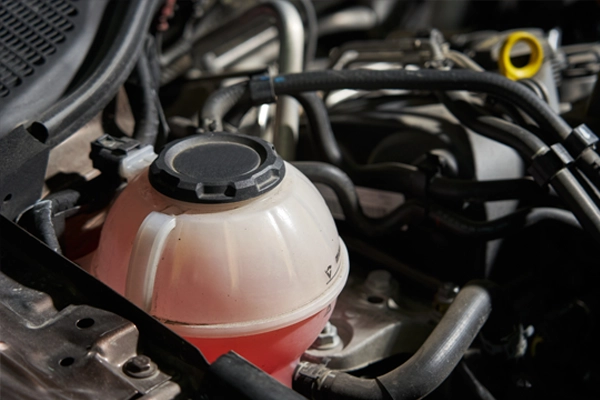
Coolant circulates through the engine in a closed loop, absorbing heat from the engine and carrying it to the radiator. Positioned at the front of the vehicle, the radiator uses airflow to cool the fluid before it cycles back through the engine again.
Common Causes of Coolant Leaks
Damaged/Corroded Radiator
One of the most common causes of leaking coolant is a corroded or damaged radiator. As explained above, the radiator plays a pivotal role in your cooling system, dispersing excess heat into the atmosphere and returning the coolant to the proper usable temperature.
Over time, the radiator is exposed to moisture, road salt, and debris that can cause it to rust, corroding through the outer metal and allowing coolant to exit the system.
Similar leaks can develop due to impact damage, either from impacts from the vehicle itself or road debris kicking up into the radiator during driving.
Blown Head Gasket
Possibly the most dreaded sight for any vehicle owner is puffs of white or grey smoke from the exhaust, which is often a sign of a leak in the head gasket.
The head gasket is responsible for creating a seal for the combustion chamber and keeps oil and coolant flowing where they should be throughout the engine’s internals. When this gasket fails, it may allow for coolant to enter the combustion chamber.
Not only does this mean your vehicle is burning off coolant (which causes the white smoke), but it can also cause internal issues in your engine. Internal coolant leaks may lead to misfires, loss of power/efficiency, and expensive engine damage. If you suspect you may have a bad head gasket, you should have your vehicle inspected by a trusted professional immediately to avoid further issues!
Faulty Water Pump
One of the most alarming signs of a head gasket leak is white or gray smoke coming from your vehicle’s exhaust. This often indicates that coolant is leaking into the combustion chamber.
The head gasket then seals the combustion chamber, keeping oil and coolant in their proper channels. When it fails, coolant can seep into the combustion chamber and burn off, causing visible smoke.
A blown head gasket can lead to loss of engine power, misfires, decreased efficiency, and potentially severe engine damage. If you notice these symptoms, have your vehicle inspected by a professional as soon as possible to prevent further problems.
Bad Radiator Cap
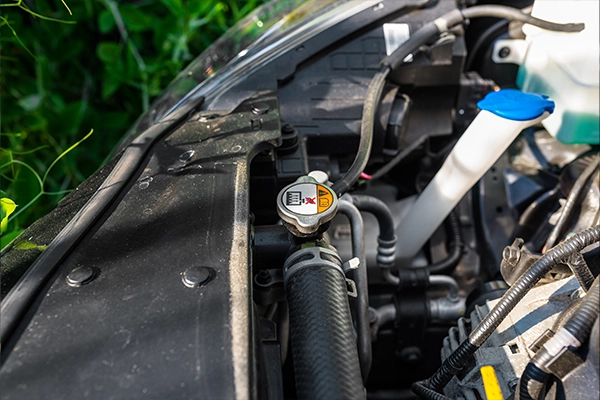
The cooling system is highly pressurized, which is critical for increasing the boiling point of the coolant and forcing it into every nook and cranny of the engine’s internals. When this pressurization is lost, and coolant exits the system, it can allow for pockets of moisture to accumulate and boil, adding air into the coolant and significantly reducing its effectiveness.
Oftentimes, this loss of pressure can be attributed to a faulty radiator cap. When the rubber seals of the cap degrade over time, it can allow for pressurized coolant to leak past the seal.
Radiator and Cooling Services in Arvada
Fortunately, our friendly and knowledgeable technicians at Arvada Square Auto offer high-quality, efficient car radiator repair. Our radiator repair and radiator services are performed by ASE-certified technicians at our convenient location. We’ll take care of your car radiator repair and have you back on the road!